

Southbridge Dentistry News
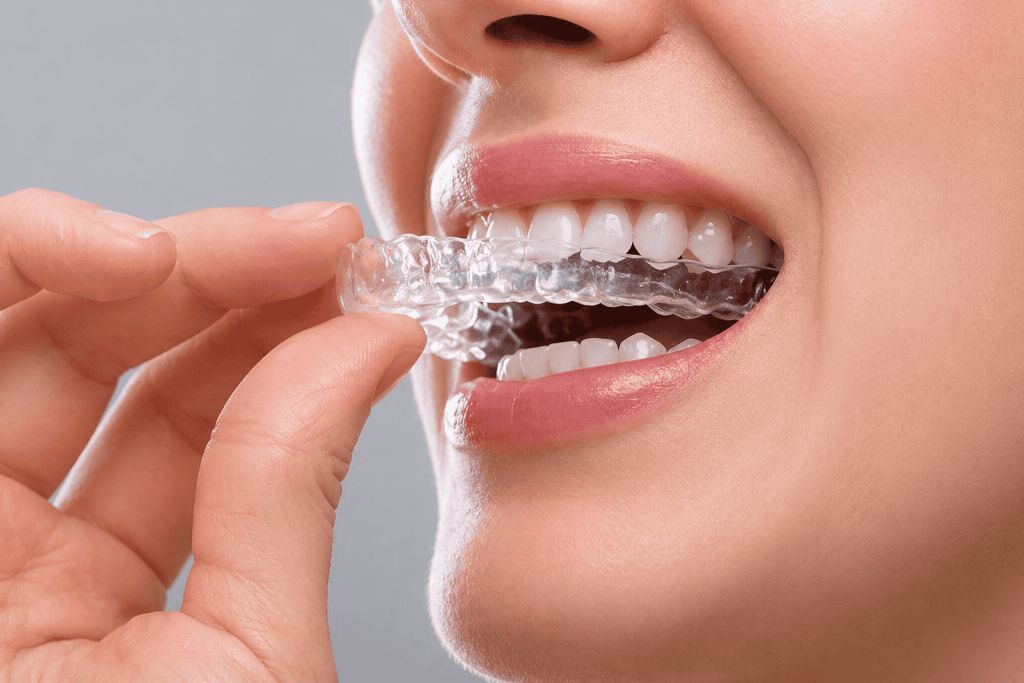
How Night Guards Protect Teeth
Night guards protect teeth by creating a durable physical barrier between the upper and lower dental arches that absorbs and...
Read More
What Causes TMJ Jaw Pain
TMJ jaw pain is caused by disc displacement inside the temporomandibular joint, teeth grinding (bruxism), stress-related muscle tension in the...
Read More
How Teeth Grinding Affects Your Jaw
Teeth grinding affects your jaw by placing extreme force on the temporomandibular joint (TMJ), overworking the muscles that control jaw...
Read More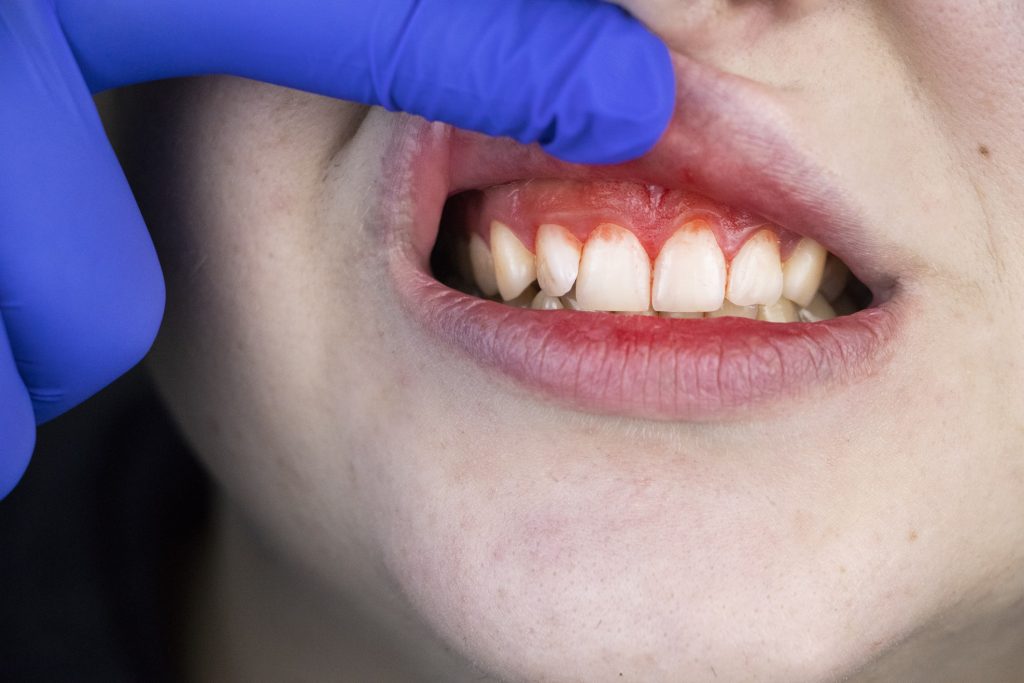
Early Signs of Gum Disease
The early signs of gum disease include bleeding gums when you brush or floss, red or swollen gum tissue along...
Read More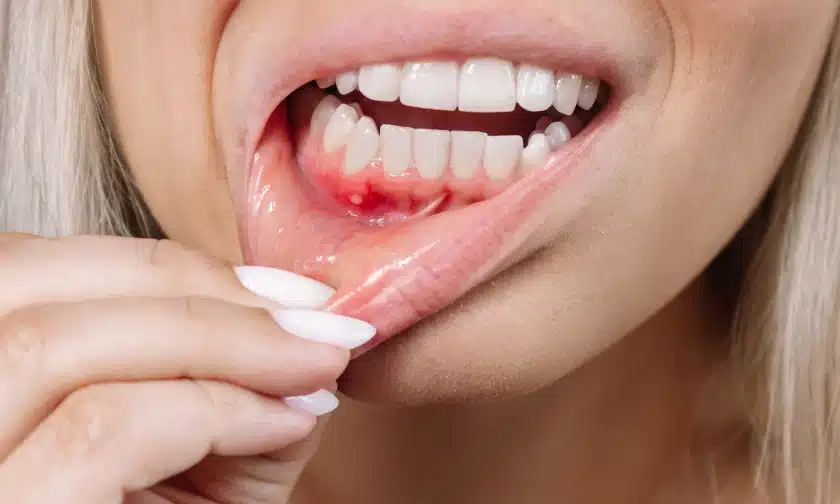
What Causes Gum Disease?
Gum disease is caused by plaque, a sticky film of bacteria that forms on teeth every day. When plaque is...
Read More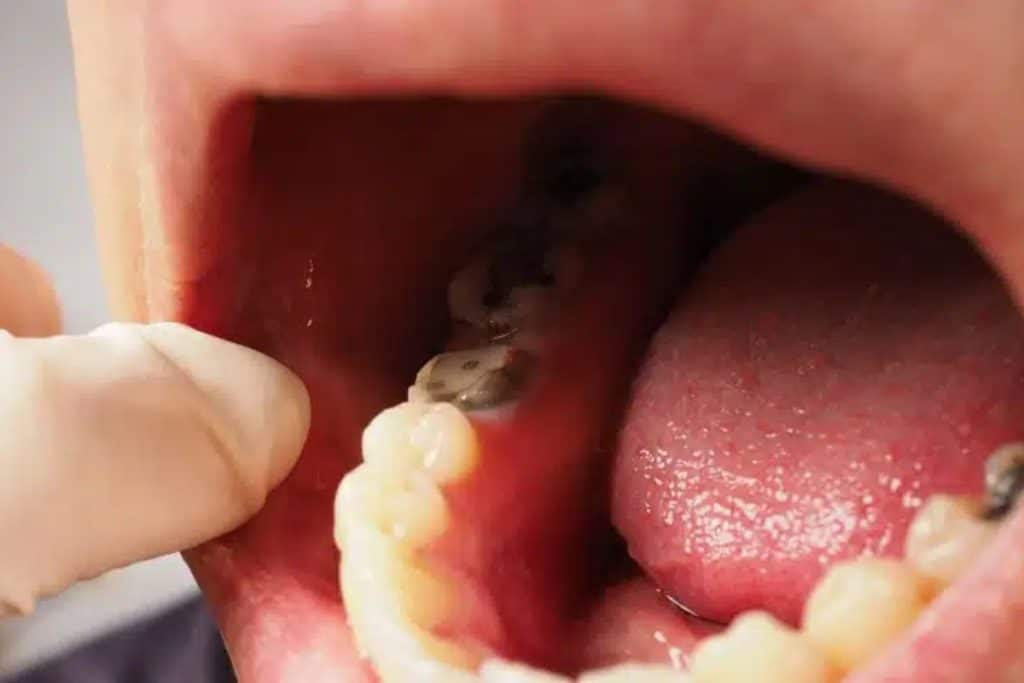
Signs You May Need a Root Canal
Signs you may need a root canal include persistent tooth pain that does not go away, lingering sensitivity to hot...
Read More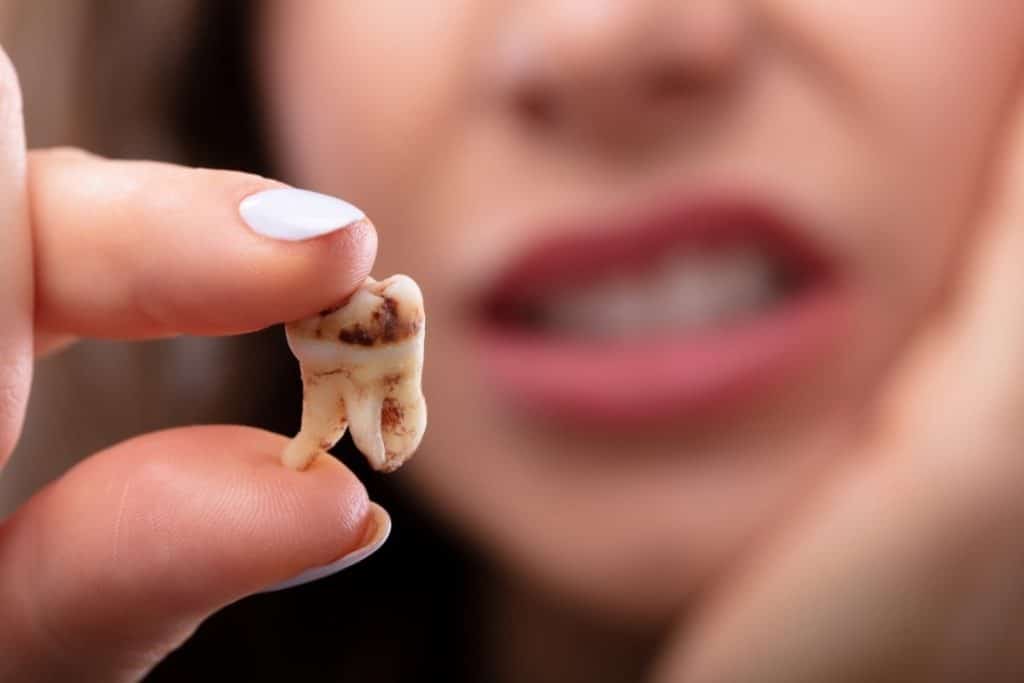
Wisdom Teeth Removal Recovery Timeline
The wisdom teeth removal recovery timeline spans about 7 to 14 days for most patients. Swelling and pain usually peak...
Read More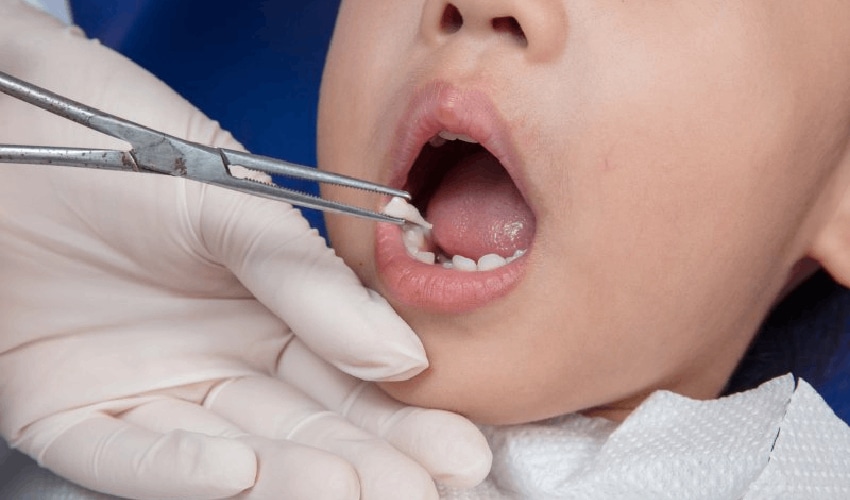
What to Expect After Tooth Extraction
After a tooth extraction, you can expect mild bleeding, some swelling, and soreness around the extraction site for about 2...
Read More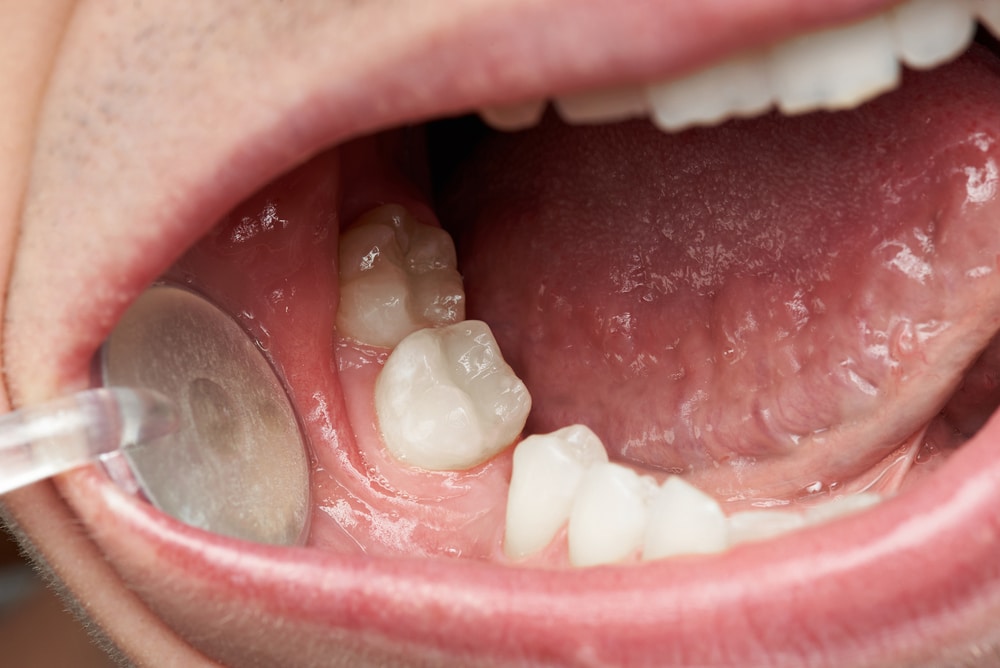
How Bone Loss Happens After Tooth Loss
Bone loss after tooth loss happens because the jawbone no longer receives the stimulation it needs from the tooth root....
Read More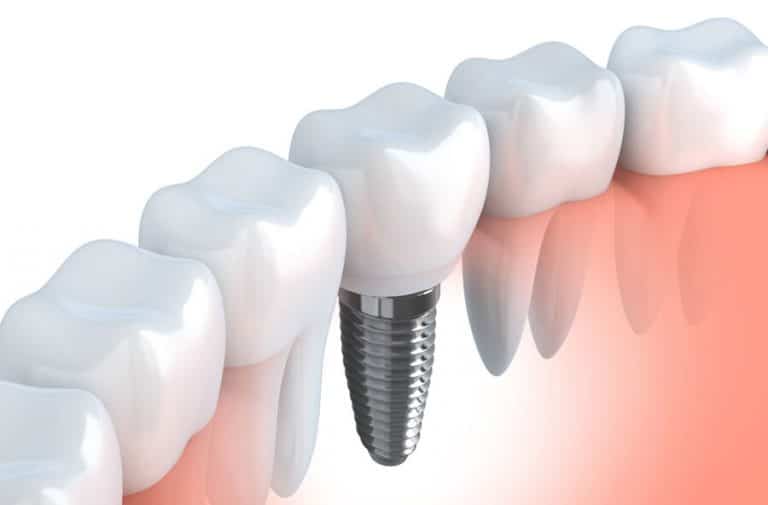
Dental Implants vs Other Tooth Replacement Options
Dental implants are the strongest and longest-lasting option for replacing missing teeth. A systematic meta-analysis published in the Journal of...
Read More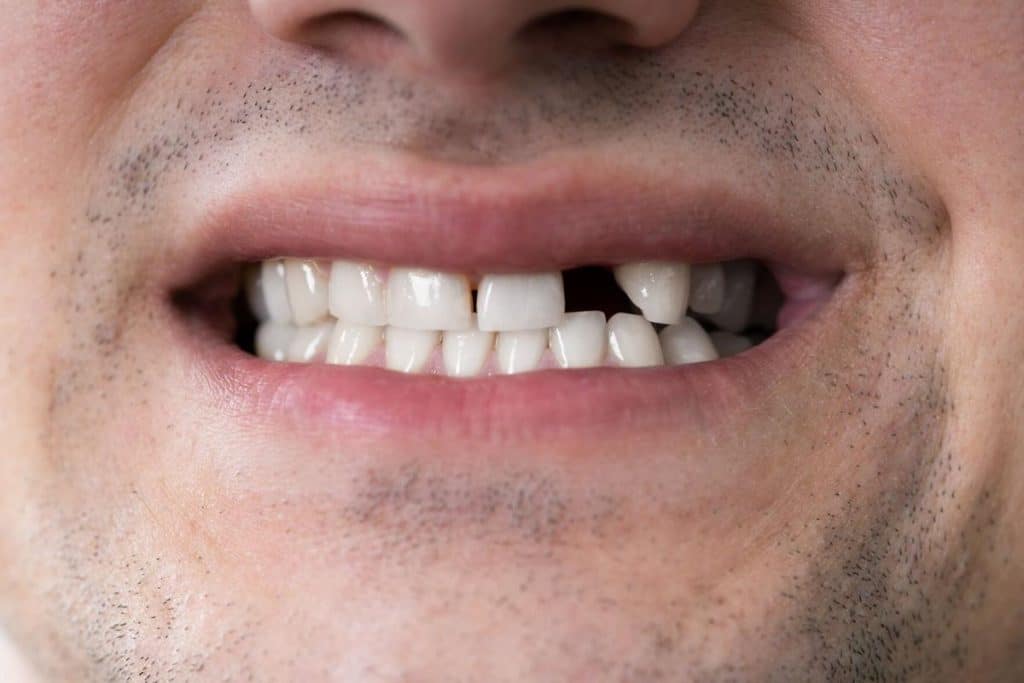
Why Missing Teeth Affect Oral Health?
Missing teeth affect oral health by triggering bone loss in the jaw, causing nearby teeth to shift, changing your bite...
Read More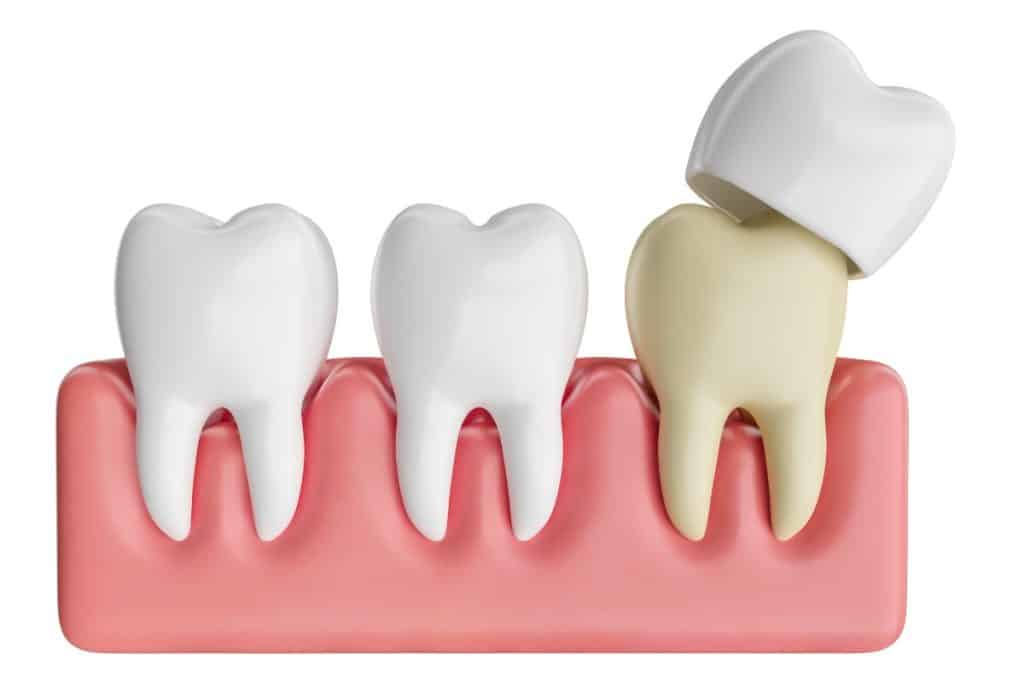
How Long Do Dental Crowns Last?
Dental crowns last an average of 10 to 15 years. According to the Cleveland Clinic, most crowns stay functional for...
Read More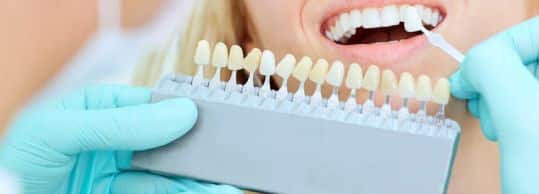
What to Know Before Getting a Crown?
Before getting a dental crown, you should know that the process typically takes two visits, involves reshaping the natural tooth...
Read More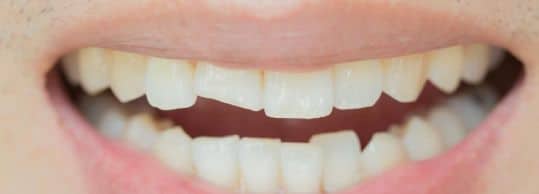
Common Reasons Teeth Crack or Break
The most common reasons teeth crack or break are teeth grinding (bruxism), biting down on hard objects, large old fillings...
Read More
How Dental X-Rays Protect Oral Health?
Dental X-rays protect oral health by revealing problems that are completely invisible during a visual exam. Cavities between teeth, bone...
Read More
What Happens During a Dental Exam?
During a dental exam, your dentist reviews your medical and dental history, takes X-rays when needed, examines your teeth and...
Read More
When a Toothache Needs Professional Care?
A toothache needs professional care when the pain lasts more than one to two days, gets worse instead of better,...
Read More
What Causes Tooth Sensitivity?
Tooth sensitivity is caused by exposed dentin, the soft layer beneath your enamel that contains tiny tubes connected to the...
Read More
Signs You Might Have a Cavity
The most common signs you might have a cavity include tooth sensitivity, a visible hole or pit in a tooth,...
Read More
How Often Should the Average Adult Get Dental Cleanings?
The average adult should get a dental cleaning every six months. This is the standard recommendation from the American Dental...
Read MoreLoad More