

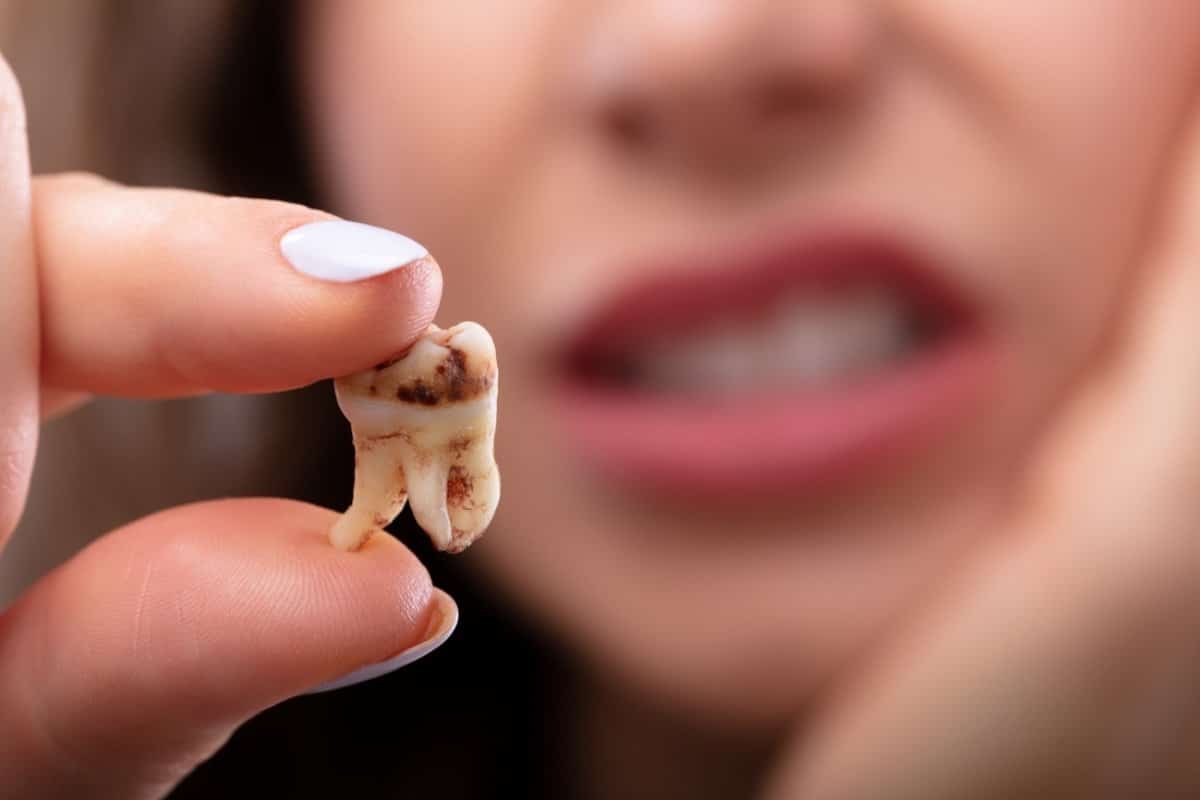
The wisdom teeth removal recovery timeline spans about 7 to 14 days for most patients. Swelling and pain usually peak around day 2 or 3, then gradually improve through the rest of the first week. According to the Cleveland Clinic, most people can return to normal daily activities within 48 to 72 hours after the procedure. Full bone healing underneath the gums takes longer, usually 3 to 6 months depending on the complexity of the surgery.
Wisdom teeth are the third set of molars that usually come in between ages 17 and 25. The American Association of Oral and Maxillofacial Surgeons (AAOMS) estimates that about 85% of people will need at least one wisdom tooth removed during their lifetime. Southbridge Dentistry in Littleton, CO has been helping families with dental care since 1982.
We perform wisdom teeth extractions with sedation options and a soft-touch approach so you feel comfortable through every step of the process.
Why Wisdom Teeth Need to Be Removed
Wisdom teeth often need to be removed because most people do not have enough room in their jaw to fit them. When a wisdom tooth cannot fully break through the gum, it becomes impacted. According to clinical research published in the Journal of Oral and Maxillofacial Research, about 25% to 35% of adults have at least one impacted wisdom tooth. Impacted teeth can push against neighboring teeth, cause crowding, trap food and bacteria, or lead to infection in the surrounding gum tissue.
We recommend that patients in Littleton and South Denver get a panoramic X-ray evaluation in their late teens or early twenties. Younger patients tend to heal faster because the roots of the wisdom teeth are not yet fully formed. The AAOMS notes that about 70% of wisdom tooth removals are performed as outpatient procedures under local anesthesia or sedation.
Day 1 of Recovery, What Happens Right After Surgery
Day 1 is all about rest and protecting the blood clots that form in each extraction socket. These clots are the foundation of healing. They cover the exposed bone and nerve tissue and allow new tissue to grow.
Right after surgery, you will bite down on gauze pads for about 30 to 45 minutes to control bleeding. The American Dental Association recommends steady, firm pressure on the gauze during this time. Some pink-tinged saliva is normal for the first 12 to 24 hours. If bleeding continues after the first hour, replace the gauze and apply pressure for another 30 minutes.
Pain usually peaks within the first 6 to 8 hours after the numbing wears off. Clinical data shows that about 80% of patients report their highest pain levels on day 1. Take any prescribed pain medication before the anesthesia fully wears off so it has time to take effect. Apply a cold compress to the outside of your cheek, 20 minutes on and 20 minutes off.
If you had IV sedation for your procedure, you will need a responsible adult to drive you home. Plan to rest for the remainder of the day and keep your head elevated when lying down.
Days 2 and 3, When Swelling and Soreness Peak
Swelling and soreness typically peak around 48 to 72 hours after wisdom teeth surgery. Your cheeks may look noticeably puffy, and you may have some jaw stiffness or minor bruising. This is a normal part of the body’s healing response. According to clinical recovery data, swelling resolves in 7 to 10 days for about 90% of patients.
Continue using cold compresses through the first 48 hours, then switch to warm, moist heat. Stay on top of your pain medication during this period, even if the pain feels manageable. It is easier to prevent pain from building up than to bring it back down.
During days 2 and 3, stick to a soft food diet. Yogurt, applesauce, mashed potatoes, and lukewarm broth are all safe choices. Do not use straws, spit forcefully, or rinse your mouth vigorously. All of these can dislodge the blood clots and lead to dry socket.
We offer a low-stress, comfortable environment at our Littleton, CO office. Our team provides clear aftercare instructions and is available to answer questions during your recovery.
Days 4 Through 7, The Turning Point
Days 4 through 7 are the turning point in recovery for most patients. Swelling should start going down noticeably by day 4. Pain should also begin to decrease, and you may be able to reduce your use of pain medication. Dissolvable stitches may start to loosen or break down during this time.
Gentle salt water rinses become an important part of healing after the first 24 hours. Mix about half a teaspoon of salt in a cup of warm water and let it flow gently over the extraction sites 3 to 4 times a day, especially after meals.
By the end of the first week, most patients feel well enough to return to work, school, and light daily activities. You can slowly start adding slightly firmer foods like scrambled eggs, soft pasta, and well-cooked vegetables.
Resume your regular dental hygiene routine during this time, but continue to be gentle around the extraction sites. Brush the rest of your teeth as normal.
Week 2 Through Week 4, Soft Tissue Healing
During weeks 2 through 4, the soft tissue around each extraction site continues to close and fill in. Any remaining swelling, bruising, or jaw stiffness should fade during this period. Most patients feel minimal effects from the surgery by the end of week 2.
The gum tissue typically closes over the extraction sockets within 3 to 4 weeks, according to the Cleveland Clinic. You should be able to eat a normal diet again by this point. If you had non-dissolvable stitches, your dentist will remove them around the 7 to 10 day mark.
Month 2 Through Month 6, Full Bone Recovery
Full bone recovery happens below the gum surface and takes the longest. The Cleveland Clinic notes that complete jawbone healing can take several months. Research published in Clinical Oral Implants Research shows that the most significant bone remodeling happens in the first 3 to 6 months after extraction. During this period, 30% to 60% of the original bone volume at the extraction site can be resorbed if no bone graft is placed.
For most wisdom teeth removal cases, bone grafting is not needed because the area is not typically used for dental implants. However, if you lose a tooth in the front or middle of your mouth and plan on getting dental implants, bone preservation is important to discuss before the extraction. During these months, the extraction sockets gradually fill in with new bone, and there is nothing extra you need to do beyond keeping up with your regular dental visits.
What to Eat During Wisdom Teeth Recovery
The right foods during recovery protect the extraction sites and help your body heal. For the first 2 to 3 days, stick to cool or lukewarm soft foods that require little to no chewing. Good options include yogurt, applesauce, mashed potatoes, scrambled eggs, and smooth soups.
Foods that will not irritate stitches or the healing sockets include bananas, avocado, oatmeal, well-cooked rice, and soft steamed vegetables. Stay away from chips, popcorn, nuts, hard bread, and spicy foods for at least 7 to 10 days. Also avoid carbonated drinks, alcohol, and very hot beverages during the first few days. Drink plenty of water to stay hydrated.
How to Lower the Risk of Dry Socket
Dry socket is the most common complication after wisdom teeth removal. It happens when the blood clot in the socket is lost or dissolves too early, leaving the bone and nerves exposed. According to the NIH (StatPearls), dry socket occurs in about 2% to 5% of routine extractions but can affect up to 30% of patients who have impacted lower wisdom teeth removed.
Smoking is the single biggest modifiable risk factor. A study published in the International Journal of Dentistry found that smoking increases the odds of dry socket by roughly 2.5 times. The suction motion pulls on the clot, and the chemicals in tobacco reduce blood flow to the area. We recommend avoiding all tobacco for at least 72 hours, and ideally for a full week.
Other steps to protect the blood clot include avoiding straws for at least 7 days, not spitting forcefully, skipping vigorous rinsing for the first 24 hours, and sleeping with your head elevated. If dry socket does occur, symptoms typically show up 2 to 4 days after surgery as a sudden increase in pain, a bad taste, or an empty-looking socket. Contact your dentist right away if you notice these signs.
Our team at Southbridge Dentistry in Littleton walks every patient through detailed aftercare instructions so recovery goes smoothly.
Wisdom Teeth Recovery Timeline at a Glance
The table below summarizes what to expect at each stage of recovery after wisdom teeth removal.
| Timeframe | What to Expect | Key Actions |
|---|---|---|
| Day 1 | Bleeding, numbness wearing off, pain peaks in 6-8 hours | Bite gauze, rest, cold compresses, take medication early |
| Days 2-3 | Swelling peaks, jaw stiffness, possible bruising | Continue cold then switch to warm heat, soft foods only |
| Days 4-7 | Swelling decreases, pain improves, stitches dissolve | Salt water rinses, return to light activity, add soft solids |
| Week 2 | Most symptoms gone, gum tissue closing | Resume normal hygiene, gentle brushing near sites |
| Weeks 3-4 | Gum tissue fully covers sockets in most cases | Return to normal diet, attend follow-up visit |
| Months 2-6 | Bone fills in below the gum surface | Continue regular dental checkups |
Sources: Cleveland Clinic, American Association of Oral and Maxillofacial Surgeons (AAOMS), NIH StatPearls
A retrospective study from a tertiary dental hospital found that the overall complication rate after tooth extraction is about 11%, with dry socket and persistent pain being the most common issues. Knowing the recovery timeline helps you spot anything unusual early. If something does not feel right after surgery, our South Denver practice provides same-day emergency dental appointments.
Frequently Asked Questions
How Many Days Should You Rest After Wisdom Teeth Removal
You should rest for at least 2 to 3 days after wisdom teeth removal. The first 48 hours are the most important for blood clot formation and early healing. Most patients feel well enough to return to work or school by day 3 or 4. Those who had all four wisdom teeth removed or had deeply impacted teeth may need closer to a full week. Avoid heavy exercise and lifting for at least 5 to 7 days.
What Are the Hardest Days of Wisdom Teeth Recovery
The hardest days of wisdom teeth recovery are days 1 through 3. Pain is usually at its worst within the first 6 to 8 hours after the anesthesia wears off, and swelling peaks at around 48 to 72 hours. Clinical data shows that about 80% of patients report their highest discomfort during this window. After day 3, most people in Littleton, CO and South Denver who follow their aftercare instructions notice steady improvement each day.
Is Day 2 or 3 Worse for Wisdom Teeth
Day 2 or 3 is typically the worst for wisdom teeth recovery because that is when swelling reaches its peak. The body’s inflammatory response is strongest at 48 to 72 hours after surgery. While day 1 has the sharpest pain, days 2 and 3 feel harder because the puffiness and jaw stiffness are at their maximum. Once you pass this window, you should feel noticeably better by day 4.
Can You Eat Bananas After Wisdom Teeth Removal
Yes, you can eat bananas after wisdom teeth removal. Bananas are one of the best recovery foods because they are soft, easy to chew, and full of potassium and vitamins that support healing. You can eat ripe bananas from day 1. Mash them with a fork or blend them into a smoothie if chewing feels uncomfortable. Just remember to eat smoothies with a spoon, not a straw.
How Can You Reduce the Risk of Dry Socket After Wisdom Teeth Removal
You can reduce the risk of dry socket after wisdom teeth removal by protecting the blood clots in your sockets. The most important step is to avoid smoking for at least 72 hours, and ideally a full week. The NIH reports that dry socket affects 2% to 5% of routine extractions and up to 30% of impacted wisdom teeth cases. Also avoid straws, forceful spitting, and vigorous rinsing. Follow all of your aftercare instructions closely, and contact your dentist if you notice worsening pain after day 3.
Can You Eat a Grilled Cheese After Wisdom Teeth Removal
You can eat a grilled cheese after wisdom teeth removal, but it is best to wait until around day 5 to 7. The bread and melted cheese can be chewy and may stick to the extraction sites during the first few days. When you try it, cut it into small pieces, let it cool, and chew on the opposite side of your mouth.
Where to Go From Here
Recovery after wisdom teeth removal follows a clear path. The first 3 days are the toughest, but they pass quickly. By the end of the first week, most patients are back to their routine. Full bone healing happens quietly over the next few months.
The most important things you can do are protect the blood clots, eat soft foods, follow your aftercare instructions, and contact your dentist if anything feels off. At our Littleton practice, we use sedation options, advanced imaging, and a gentle approach to make the experience as comfortable as possible.
We also provide full oral surgery services in the same building, so everything is handled in one place. Call us at 303-798-4967 or schedule an appointment online to discuss your wisdom teeth.