

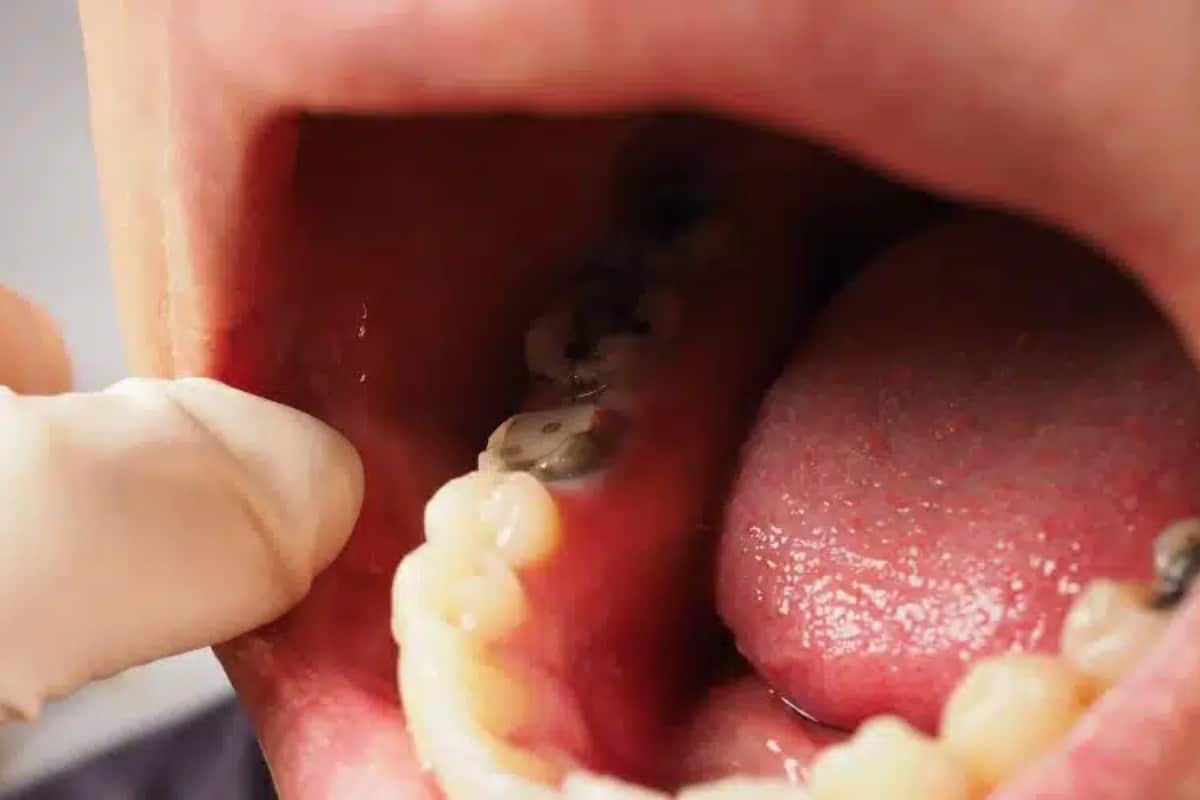
Signs you may need a root canal include persistent tooth pain that does not go away, lingering sensitivity to hot or cold, swelling or tenderness in the gums near a specific tooth, and a tooth that has turned dark. These symptoms point to damage or infection inside the tooth’s pulp, which is the soft tissue that contains the nerves and blood supply. According to the American Association of Endodontists (AAE), over 15 million root canals are performed each year in the United States. The procedure has a 97% success rate when properly done, according to the National Institutes of Health.
Catching these signs early gives you the best chance of saving the tooth. Southbridge Dentistry in Littleton, CO has been helping families with dental care since 1982.
We offer root canal therapy in a comfortable, low-stress setting with sedation options available. The sooner the infection is treated, the better the outcome.
What a Root Canal Actually Does
A root canal removes the infected or damaged pulp from inside a tooth. The pulp sits in a small chamber at the center of the tooth and runs down through the root canals. It contains nerves, blood vessels, and connective tissue. When bacteria reach the pulp through a deep cavity, crack, or injury, the tissue becomes inflamed or infected. This is called pulpitis.
During the procedure, the infected pulp is removed, and the inside of the tooth is cleaned, shaped, and sealed with a biocompatible material. The Mayo Clinic notes that root canal treatment usually takes one or two visits. Most teeth will also need a crown placed afterward to protect the tooth from fracturing. The goal is to save the natural tooth and stop the infection from spreading to the bone or other teeth.
The CDC reports that 91% of adults aged 20 to 64 have some form of dental caries. When cavities go untreated for too long, the decay can reach the pulp and create the kind of infection that requires a root canal. Regular dental cleanings and exams are one of the best ways to catch decay before it gets to that point.
Persistent or Throbbing Tooth Pain
Persistent or throbbing tooth pain is one of the most common signs that you may need a root canal. This type of pain is different from a short, mild ache. It tends to be steady or comes in waves and may get worse when you lie down or bend over. The pain may also radiate to the jaw, ear, or temple on the same side.
This kind of pain happens when the pulp inside the tooth is inflamed or dying. The nerve sends strong pain signals because the tissue is under pressure from swelling or infection. Over-the-counter pain medication may take the edge off, but it will not fix the problem. If you have tooth pain that lasts more than a day or two and does not improve, it is time to see your dentist.
Patients in Littleton, CO who are dealing with severe tooth pain can schedule a same-day emergency dental appointment at our office.
Sensitivity to Hot and Cold That Does Not Go Away
Sensitivity to hot and cold that does not go away is another sign of possible pulp damage. A healthy tooth may feel a brief flash of sensitivity when you drink something very cold or eat something hot. That passes quickly. But if the sensitivity lingers for 30 seconds or more after the temperature source is removed, it may mean the nerve inside the tooth is damaged.
Lingering sensitivity to heat is especially concerning. It often signals that the pulp is actively inflamed or infected. Cold sensitivity that does not resolve can point to the same issue. In both cases, the nerve is reacting in a way that healthy pulp tissue would not. A dental exam with X-rays can help determine whether the pulp is involved.
Swollen or Tender Gums Near the Tooth
Swollen or tender gums near a specific tooth can indicate infection at the root tip. This swelling may come and go, or it may stay. In some cases, a small bump or pimple-like spot appears on the gums near the affected tooth. This is called a fistula, and it forms when the body tries to drain the infection from the root.
The Mayo Clinic lists gum swelling as one of the key symptoms of a tooth abscess, which is a pocket of pus that forms at the tip of the root. If the abscess ruptures on its own, you may notice a sudden rush of salty, foul-tasting fluid in your mouth. The pain may temporarily decrease, but the infection is still present and needs treatment.
If left untreated, a dental abscess can lead to bone loss, spread to neighboring teeth, or cause a serious systemic infection. This is one reason why prompt treatment matters. Our Littleton team evaluates these symptoms carefully and can provide endodontic therapy to resolve the infection at its source.
A Darkened or Discolored Tooth
A darkened or discolored tooth can be a sign that the pulp inside has died. When the blood supply to the tooth is cut off due to trauma or deep infection, the internal tissue breaks down. This can cause the tooth to turn gray, dark yellow, or brown compared to the teeth around it.
A color change does not always mean you need a root canal. Staining from food, drinks, or old dental work can also cause discoloration. But if a single tooth changes color and you also have pain, sensitivity, or swelling, the combination strongly suggests pulp damage. An X-ray and pulp vitality test can confirm the diagnosis. In South Denver, we see this often in teeth that were bumped or injured months or even years earlier.
Pain When Chewing or Touching the Tooth
Pain when chewing or touching the tooth is a sign that the tissues around the root are inflamed. This is called periapical inflammation. It happens when infection from the pulp spreads to the bone and ligaments at the tip of the root. You may notice that biting down on one side causes a sharp ache, or that pressing on a specific tooth with your finger triggers pain.
A tooth that hurts when you chew on it may also have a crack that has extended into the pulp. Even small cracks can allow bacteria to reach the nerve over time. If a filling or restoration is not enough to address the damage, root canal therapy may be needed to save the tooth.
A Cracked or Chipped Tooth with Deep Damage
A cracked or chipped tooth with deep damage is a common pathway to root canal treatment. When a tooth cracks from injury, grinding, or biting down on something hard, bacteria can enter through the crack and reach the pulp. The deeper the crack, the higher the risk of infection.
Not every cracked tooth needs a root canal. If the crack is shallow and only affects the enamel, a crown or bonding may be enough. But if the crack extends into the pulp chamber, the nerve is exposed and vulnerable. In Colorado’s active outdoor community, we see sports injuries and accidents that lead to cracked teeth. Wearing a custom-fitted mouthguard during physical activity can help prevent this kind of damage.
If a tooth is cracked beyond repair, extraction may be needed instead.
In many cases, however, a root canal combined with a dental crown can save the tooth and restore full function.
Root Canal Signs vs. Other Common Dental Issues
Some of the symptoms above can overlap with other dental problems. The table below shows how root canal signs compare to other conditions so you know what to watch for.
| Symptom | Possible Root Canal | Other Possible Cause |
|---|---|---|
| Lingering sensitivity to hot/cold (30+ seconds) | Yes, inflamed or dying pulp | Less likely; brief sensitivity may be a cavity or gum recession |
| Throbbing pain that wakes you up at night | Yes, pulp infection or abscess | Possible TMD or sinus pressure, but less intense |
| Gum pimple or fistula near a tooth | Yes, draining abscess at root tip | Unlikely from other causes; warrants immediate evaluation |
| Darkened single tooth | Yes, if pulp is dead from trauma or infection | Staining from food, drinks, or old dental work |
| Pain when biting down | Yes, periapical inflammation | Cracked tooth syndrome, high filling, or periodontal issue |
| Mild, brief cold sensitivity | Less likely | Early cavity, enamel wear, or exposed root surface |
Sources: Mayo Clinic, American Association of Endodontists (AAE), Cleveland Clinic
If you have any combination of these symptoms, a dental exam with X-rays is the fastest way to find out what is going on. Patients in Littleton and South Denver can reach us at 303-798-4967 for a prompt evaluation.
Frequently Asked Questions
How Long Does a Root Canal Take
A root canal takes about 30 to 60 minutes for a front tooth and 60 to 90 minutes for a molar. The Mayo Clinic notes that most root canal treatments are completed in one or two visits. Molars take longer because they have more root canals that need to be cleaned and sealed. If the infection is severe, your dentist may place medication inside the tooth and complete the sealing at a second visit.
Is a Root Canal a Big Surgery
A root canal is not a big surgery. It is a routine dental procedure that is done under local anesthesia, similar to getting a filling. You stay awake during the treatment, and the area around the tooth is completely numbed. Most patients report that the procedure itself is no more uncomfortable than having a cavity filled. At our Littleton, CO office, we also offer IV sedation and nitrous oxide for patients who feel anxious about dental procedures.
What Is the Longest a Root Canal Can Last
The longest a root canal can last is a lifetime with proper care. A study published in Clinical Oral Investigations tracked root canal treated teeth for up to 37 years and found survival rates of 97% at 10 years, 81% at 20 years, and 68% at 37 years. A separate study from Indiana University found that a root canal treated tooth with both a filling and a crown lasts about 20 years on average. Good oral hygiene and regular dental visits play a major role in long-term success.
Do I Need a Crown After a Root Canal
Yes, most teeth need a crown after a root canal. The procedure removes the pulp and blood supply from inside the tooth, which makes the tooth more brittle over time. A crown covers and protects the tooth from cracking under normal chewing forces. The Indiana University study found that a root canal treated tooth without any restoration lasts only about 6.5 years, while one with a filling and crown lasts about 20 years. That difference is significant, and we strongly recommend a crown for back teeth in particular.
When Is It Too Late for a Root Canal
It is too late for a root canal when the tooth is too damaged to be restored. This can happen when decay has destroyed most of the tooth structure, the root is fractured vertically, or the surrounding bone loss is too severe. In these cases, a dental implant or bridge may be the best option for replacing the tooth. The earlier you treat symptoms like pain, swelling, and sensitivity, the more likely it is that the tooth can be saved with root canal therapy.
What Happens 20 Years After a Root Canal
Twenty years after a root canal, the treated tooth can still be fully functional if it was properly restored and well-maintained. The Clinical Oral Investigations study found that 81% of root canal treated teeth survived past the 20-year mark. The keys to long-term success are getting a crown placed after the procedure, keeping up with routine cleanings and exams, and avoiding habits like chewing ice or grinding your teeth. If you grind at night, a nightguard can help protect the treated tooth.
The Bottom Line
The signs that you may need a root canal are clear once you know what to look for. Lingering pain, sensitivity that does not fade, gum swelling, a darkened tooth, and pain when chewing are all signals that the nerve inside your tooth may be compromised. The NIH reports that root canal therapy has a 97% success rate, and a properly restored tooth can last 20 years or more.
Early treatment is always better. At our Littleton dental practice, we use modern techniques to make root canal treatment comfortable and effective. Call us at 303-798-4967 or schedule an appointment online to get evaluated.