

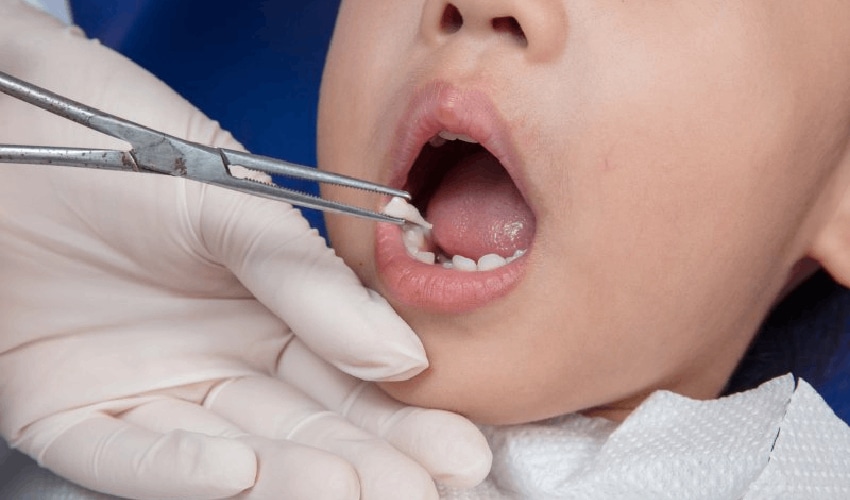
Tooth extraction is one of the most common dental procedures performed today. A study published in Clinical Oral Investigations found that two-thirds of all extractions in primary care are relatively simple, routine procedures. Still, knowing what to expect day by day helps you heal faster and avoid problems. At Southbridge Dentistry in Littleton, CO, we walk every patient through aftercare instructions so there are no surprises during recovery.
Why Tooth Extractions Are Performed
Teeth are extracted for several reasons. The most common cause is tooth decay that has spread too far for a filling or crown to save the tooth. A systematic review published in the Journal of Dental Sciences found that dental caries accounts for 36% to 55% of all tooth extractions in adult populations. Periodontal disease, or gum disease, is the second most common reason and accounts for 24% to 38% of extractions.
Other reasons include trauma, fractures, infection, and crowding. The CDC reports that 91% of adults aged 20 to 64 have some form of dental caries. When decay or infection is caught early, we can often save the tooth with a composite filling or restoration. But if the damage goes too deep, extraction becomes the best path forward.
In some cases, wisdom teeth need to be removed before they cause crowding or infection. Extractions may also be needed before orthodontic treatment or as part of a plan for dental implants or dentures.
The First 24 Hours After Tooth Extraction
The first 24 hours are the most critical window for healing. Right after the procedure, you will bite down on a gauze pad for about 30 to 45 minutes to help a blood clot form. The American Dental Association recommends keeping steady pressure on the gauze during this time. Some pink-tinged saliva is normal and may last for several hours.
Pain usually peaks within the first 6 to 8 hours after the local anesthesia wears off. Your dentist may recommend over-the-counter pain relief or prescribe something stronger depending on the procedure. Swelling is also normal and can be managed with a cold compress. Apply it to the outside of your cheek for 20 minutes on and 20 minutes off.
During this first day, avoid using straws, spitting forcefully, or rinsing your mouth. All of these actions can dislodge the blood clot. The ADA also advises against smoking for at least the first 24 hours, though we recommend waiting much longer. Stick to soft, cool foods and rest with your head elevated.
If you received IV sedation for your procedure, you will need someone to drive you home. Plan to rest for the remainder of the day.
Days 2 Through 7 of Recovery
Swelling typically peaks around day 2 or 3 and then starts to go down. You can switch from cold compresses to warm, moist heat after the first 48 hours. Warm compresses help increase blood flow to the area, which supports healing.
By day 3, the extraction site should be mostly done bleeding. The gum tissue starts to close around the socket during this time. You may still feel tender around the area, and that is normal. After 24 hours, gentle salt water rinses can help keep the area clean. Mix about half a teaspoon of salt in a cup of warm water and let it flow gently over the site.
By the end of the first week, the hole left by the extraction should be noticeably smaller. In many cases, the soft tissue will have closed over the socket almost completely. If your extraction involved oral surgery, such as a surgical removal of an impacted tooth, healing may take a bit longer. You may also have dissolvable stitches that break down on their own within 7 to 10 days.
This is a good time to resume your regular dental hygiene routine, but be gentle around the extraction site. Brush the rest of your teeth as usual.
How Long Does It Take for the Extraction Site to Fully Heal
The extraction site takes about 3 to 4 weeks for the gum tissue to close and smooth over. Complete bone healing underneath takes longer. The Cleveland Clinic notes that full jawbone healing can take several weeks to a few months, depending on the complexity of the extraction.
Research published in Clinical Oral Implants Research shows that most bone remodeling happens within the first 3 to 6 months after extraction. During this period, 30% to 60% of the original bone volume can be lost if no bone graft is placed. This is one reason why we may recommend bone grafting at the time of extraction if you plan to replace the tooth with a dental implant later.
Patients in Littleton and South Denver who are planning for dental implants should discuss bone preservation with us before the extraction. Timing matters, and early planning leads to better outcomes.
What Foods Are Safe to Eat After Tooth Extraction
Safe foods after tooth extraction are soft, cool, and easy to chew. For the first 1 to 2 days, stick to items like yogurt, applesauce, mashed potatoes, scrambled eggs, smoothies (eaten with a spoon, not a straw), and lukewarm soup. Avoid anything crunchy, spicy, acidic, or very hot.
As the days go on, you can slowly add more solid foods back into your diet. By day 4 or 5, most patients can eat soft pasta, cooked vegetables, and tender proteins. Foods that won’t irritate stitches or the extraction site include bananas, oatmeal, avocado, and well-cooked rice.
Stay away from seeds, nuts, chips, and popcorn for at least a full week. Small food particles can get trapped in the socket and cause irritation or infection. Stay hydrated with water and avoid carbonated drinks and alcohol during the first few days of recovery.
How to Protect the Blood Clot and Lower the Risk of Dry Socket
Protecting the blood clot is the single most important thing you can do after an extraction. Dry socket happens when the blood clot is lost or dissolves too early, leaving the bone and nerves exposed. According to the NIH (StatPearls), dry socket occurs in 1% to 5% of routine extractions. For surgical extractions of impacted lower wisdom teeth, the rate can climb as high as 30%.
A study published in the International Journal of Dentistry found that smoking and poor oral hygiene are the two biggest risk factors. Smoking increases the risk of post-operative complications by roughly 2 times, according to data from the American College of Prosthodontists. The suction from smoking can pull the clot right out of the socket, and the chemicals in tobacco slow down blood flow to the area.
To protect the clot, follow these steps in the first 3 to 5 days after extraction. Do not smoke. Do not use straws. Do not spit forcefully. Avoid vigorous rinsing. Sleep with your head slightly raised. Eat only soft foods. If you follow your aftercare instructions closely, the risk of dry socket drops significantly.
We offer a low-stress, comfortable environment at our Littleton office so you feel supported before, during, and after your procedure.
Simple Extraction vs. Surgical Extraction Recovery
Recovery varies depending on whether the extraction is simple or surgical. A simple extraction is done on a tooth that is fully visible above the gum line. A surgical extraction involves cutting into the gum tissue and sometimes removing bone to access the tooth. The table below compares the two.
| Recovery Factor | Simple Extraction | Surgical Extraction |
|---|---|---|
| Typical healing time (soft tissue) | 7 to 10 days | 2 to 3 weeks |
| Peak swelling | Day 2 | Day 2 to 3 |
| Return to normal activity | 1 to 2 days | 3 to 5 days |
| Dry socket risk | 1% to 5% | Up to 30% (impacted molars) |
| Stitches needed | Rarely | Often (dissolvable) |
| Full bone healing | Several weeks | 3 to 6 months |
Sources: NIH StatPearls, Cleveland Clinic, Clinical Oral Investigations (University of Helsinki, 2023)
A study from the University of Helsinki analyzed roughly 100,000 extraction procedures and found that 63% were classified as routine and non-operative. About 29% of procedures were classified as demanding. The type of extraction you need depends on the position of the tooth, the condition of the roots, and whether the tooth has fully erupted.
For patients in South Denver who feel nervous about oral surgery, we offer sedation options including nitrous oxide, conscious sedation, and comfortable extraction procedures with a gentle approach.
Signs That Something May Need Attention
Most tooth extractions heal without any problems. A retrospective study from a tertiary dental hospital found that the overall post-extraction complication rate is about 11%, with the most common issues being persistent pain and dry socket. Knowing what to watch for helps you act early if something comes up.
Contact your dentist if you notice any of the following after the first 2 to 3 days. Pain that gets worse instead of better. Swelling that increases after day 3. A bad taste or odor that does not go away with gentle rinsing. Fever or chills. Bleeding that does not stop with gentle pressure. Numbness that lasts longer than expected. Pus or discharge from the extraction site.
If you experience any of these symptoms, our Littleton office offers same-day emergency dental appointments so you can get the care you need quickly.
Frequently Asked Questions
How Many Days Should You Rest After Tooth Extraction
You should rest for at least 1 to 2 days after a tooth extraction. For a simple extraction, most people can return to work or school the next day. If you had a surgical extraction or wisdom teeth removed, plan for 2 to 3 days of rest. The Cleveland Clinic recommends returning to routine activities within 48 to 72 hours but taking additional time off if your job involves heavy lifting or physical labor.
What Are the Hardest Days of Recovery After Tooth Extraction
The hardest days of recovery after tooth extraction are usually days 2 and 3. This is when swelling and soreness tend to peak. Pain is typically at its worst within the first 6 to 8 hours after the numbing wears off and may remain noticeable for a couple of days. By day 4 or 5, most patients in Littleton, CO notice a clear improvement and feel much more comfortable.
Is Day 3 the Worst After Tooth Extraction
Day 3 after tooth extraction is often when swelling is at its highest, which can make it feel like the worst day. However, it is also the turning point for most patients. Once you get past day 3, the swelling typically starts going down and pain begins to ease. If pain gets worse after day 3 instead of better, contact your dentist because this could be a sign of dry socket or infection.
How Can You Reduce the Risk of Dry Socket
You can reduce the risk of dry socket by protecting the blood clot that forms in the socket. Do not smoke for at least 72 hours after the procedure, and ideally wait a full week. Avoid straws, forceful spitting, and vigorous rinsing. The NIH reports that dry socket occurs in 1% to 5% of routine extractions, and smoking is the single biggest modifiable risk factor. Following all of your aftercare instructions carefully is the best way to prevent this condition.
Can You Eat Eggs After Tooth Extraction
Yes, you can eat eggs after tooth extraction. Scrambled eggs are one of the best soft foods to eat during recovery because they are easy to chew, rich in protein, and gentle on the extraction site. You can usually start eating scrambled eggs within the first day or two. Just make sure they are not too hot, and chew on the opposite side of your mouth.
Can You Eat a Grilled Cheese After Tooth Extraction
You can eat a grilled cheese after tooth extraction, but wait at least 4 to 5 days before trying it. In the first few days, the bread and cheese may be too chewy and could irritate the site or get stuck in the socket. Once the extraction area has started to close over and you feel less tenderness, a soft, well-cooked grilled cheese is usually fine. Cut it into small pieces and chew carefully on the opposite side.
If a tooth that was removed needs to be replaced, we offer several options at our South Denver practice. Implant restorations provide the most natural-looking and permanent replacement.
A dental bridge is another effective option that uses the teeth on either side of the gap to support a replacement tooth. Your dentist will recommend the best choice based on where the tooth was located and your overall oral health.
Your Next Step
Knowing what to expect after a tooth extraction takes a lot of the worry out of the process. The recovery is straightforward for most people, and the key is to protect the blood clot, eat soft foods, and follow your aftercare instructions. Most Littleton, CO patients are back to their normal routine within just a few days.
If you need a tooth extracted or have questions about recovery, we are here to help. At our oral surgery practice in Littleton, we use a gentle, patient-centered approach to make the experience as comfortable as possible. Call us at 303-798-4967 or schedule an appointment online to get started.