

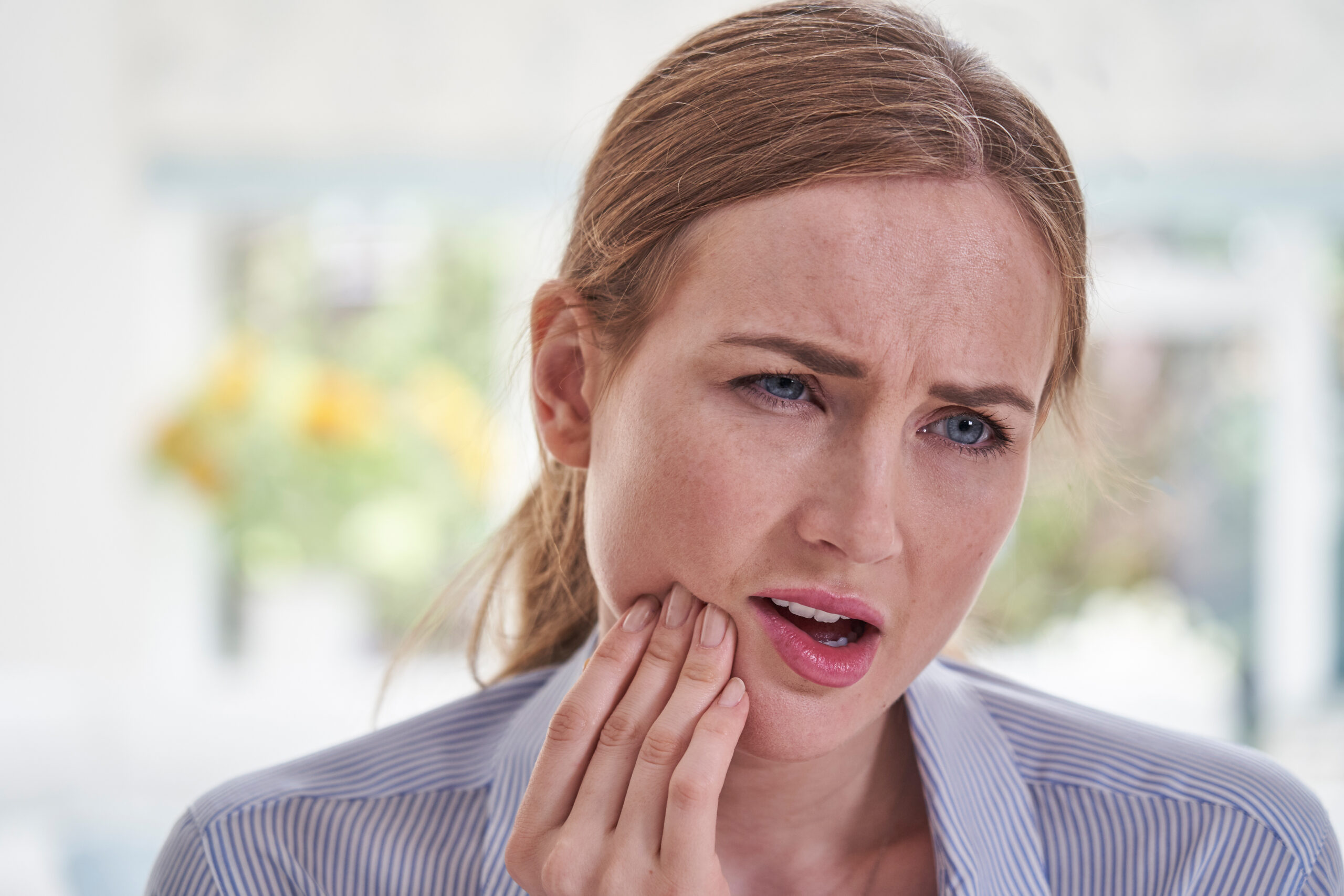
Teeth grinding affects your jaw by placing extreme force on the temporomandibular joint (TMJ), overworking the muscles that control jaw movement, and gradually wearing down the protective structures that keep the joint functioning properly. The force generated during teeth grinding can reach up to 250 pounds per square inch, according to Johns Hopkins Medicine, compared to the 162 pounds of force produced during normal chewing. That level of pressure, repeated night after night, strains the jaw joint, erodes tooth enamel, and can reshape your facial structure over time. A 2024 meta-analysis published in the Journal of Clinical Medicine found that the global prevalence of bruxism is 22.22%, meaning roughly one in five adults grinds or clenches regularly. This article explains how teeth grinding damages your jaw, what symptoms to watch for, what causes the habit, and how to stop it before the damage becomes permanent.
What Is Bruxism and How Does It Affect Your Jaw
Bruxism is the clinical term for repetitive teeth grinding, clenching, or gnashing, and it affects your jaw by forcing the temporomandibular joint and surrounding muscles to absorb pressure they were never designed to handle on a sustained basis. The temporomandibular joint connects your lower jaw (mandible) to the temporal bone of your skull on each side of your face. Two TMJ joints work together as a paired system, guiding every bite, yawn, and word you speak. When bruxism introduces hundreds of pounds of repetitive force into this system, the cartilage disc inside the joint compresses, the surrounding ligaments stretch, and the muscles that control jaw movement become chronically overworked.
Bruxism occurs in two forms. Awake bruxism involves clenching or grinding during waking hours, usually during moments of stress, concentration, or frustration. Sleep bruxism happens during sleep and tends to cause more damage because the person has no conscious awareness of the force they are applying. Research published in the Journal of Clinical Medicine reports that sleep bruxism affects approximately 21% of the global population, with North America showing the highest prevalence at 31%. Many people grind their teeth for months or years before receiving a diagnosis, because sleep bruxism produces no immediate pain in most cases. The damage accumulates silently until symptoms like jaw soreness, headaches, or cracked teeth finally appear.
What Are the Symptoms of Teeth Grinding
The symptoms of teeth grinding include jaw soreness or stiffness upon waking, frequent morning headaches concentrated around the temples, worn or flattened tooth surfaces, tooth sensitivity to hot and cold, earaches or a feeling of fullness in the ears, and facial muscle fatigue after chewing or speaking. Many of these symptoms overlap with other conditions, which is why bruxism often goes undiagnosed. A dental exam is the most reliable way to detect the early signs, because your dentist can identify the characteristic wear patterns on tooth enamel that grinding produces even before you notice any discomfort.
The wear patterns from bruxism are distinct. Grinding flattens the biting surfaces of the molars and can create sharp edges on the front teeth. Clenching, by contrast, tends to produce micro-cracks in the enamel and stress fractures in existing dental work like fillings and crowns. Both forms of bruxism put strain on the jaw joint, so patients often experience clicking, popping, or a catching sensation when opening and closing the mouth. These joint sounds signal that the cartilage disc inside the TMJ is shifting out of its normal position under the pressure of repeated clenching.
How Do I Know If I Grind My Teeth at Night
You can identify nighttime teeth grinding by watching for morning symptoms that fade as the day progresses. Jaw pain or tightness that is worst when you first wake up and gradually improves by midday is a hallmark of sleep bruxism. A sleep partner may hear audible grinding sounds during the night, which provides direct confirmation. Other clues include waking with a dull headache behind the temples, finding small chips or rough edges on your teeth, or noticing that your jaw feels locked or restricted first thing in the morning. The American Dental Association (ADA) reported in a 2021 survey that over 70% of dentists saw an increase in patients presenting with teeth grinding and clenching, many of whom had no idea they were doing it until dental damage became visible.
Can Teeth Grinding Cause Headaches
Yes, teeth grinding can cause headaches because the sustained contraction of the temporalis and masseter muscles during clenching generates tension that radiates across the temples, forehead, and the base of the skull. These tension-type headaches from bruxism are most common in the morning, since sleep bruxism keeps the jaw muscles engaged for hours during the night. The temporalis muscle, which runs along the side of the head above the ear, is directly responsible for the temple-area headaches that bruxism patients frequently report. Chronic grinding can also trigger migraine episodes in individuals who are already susceptible to migraines, because the sustained muscle tension activates pain pathways in the trigeminal nerve.
Does Teeth Grinding Cause TMJ Disorder
Yes, teeth grinding can cause TMJ disorder (TMD) because the repetitive force compresses the cartilage disc inside the temporomandibular joint, strains the ligaments that hold the disc in place, and overloads the muscles responsible for jaw movement. The OPPERA (Orofacial Pain: Prospective Evaluation and Risk Assessment) project identified bruxism as the strongest predictor of TMD incidence, according to research published in Nature’s Scientific Reports in 2025. The mechanism involves a cycle of compression and inflammation. Each grinding episode pushes the condyle (the rounded end of the mandible) into the articular disc, which absorbs the shock. Over time, the disc thins, shifts forward, or tears, leaving bone pressing against bone inside the joint.
Disc displacement produces the clicking and popping sounds many bruxism patients notice when they open their mouths wide. As the disc moves further out of position, the clicking may progress to locking, where the jaw temporarily gets stuck in an open or closed position. Advanced TMJ damage from chronic grinding can lead to osteoarthritis in the joint, where the bone surfaces develop rough patches and bone spurs. TMJ treatment at this stage requires professional intervention to reduce inflammation, protect the joint from further damage, and restore comfortable jaw function.
Can Teeth Grinding Ruin Your Jawline
Yes, teeth grinding can ruin your jawline over time because chronic clenching causes the masseter muscles to enlarge, the vertical dimension of the face to shorten, and the overall proportions of the lower face to change. The masseter muscle, one of the strongest muscles in the human body relative to its size, runs from the cheekbone to the lower jaw on each side of the face. When bruxism forces this muscle to contract repeatedly with extreme force, the muscle fibers thicken and increase in volume, a condition called masseter hypertrophy. Masseter hypertrophy widens the lower face and creates a squared, heavy appearance that can alter the natural contour of the jawline.
The damage extends beyond muscle enlargement. Grinding wears down the biting surfaces of the teeth, reducing the vertical height of the dental arches. This loss of vertical dimension shortens the distance between the nose and chin, which causes the lower third of the face to appear compressed and aged. The lips lose support, deeper lines form around the mouth, and the chin can appear to recede. These facial changes develop gradually over years of untreated bruxism, and many patients do not connect the shift in their appearance to teeth grinding until a dentist identifies the worn teeth during an exam.
| Area Affected | How Grinding Causes Damage | Visible or Functional Result | Reversibility |
|---|---|---|---|
| Tooth enamel | Repetitive friction wears away the hardest substance in the body | Flattened, shortened, chipped teeth; exposed dentin | Not reversible; restorable with crowns or veneers |
| Masseter muscles | Chronic overuse triggers muscle fiber thickening (hypertrophy) | Widened, squared jawline; facial asymmetry | Reversible with treatment (Botox, cessation of grinding) |
| TMJ cartilage disc | Compression displaces and thins the articular disc | Clicking, popping, locking, jaw pain | Early stages manageable; advanced damage may be irreversible |
| Jaw bone (condyle) | Bone-on-bone contact after disc displacement causes remodeling | Osteoarthritis, limited jaw opening, chronic pain | Not fully reversible; progression can be halted with treatment |
| Facial proportions | Loss of tooth height reduces vertical dimension of face | Shortened lower face, deeper mouth lines, aged appearance | Restorable with full-mouth rehabilitation |
Sources: Johns Hopkins Medicine (bite force data); Cleveland Clinic (bruxism complications); Nature/Scientific Reports (OPPERA TMD data); Journal of Clinical Medicine 2024 meta-analysis (prevalence)
What Happens If You Don’t Fix Teeth Grinding
If you don’t fix teeth grinding, the damage progresses from cosmetic wear into structural failure of teeth, irreversible joint degeneration, and chronic pain that interferes with eating, speaking, and sleeping. The earliest consequence is enamel erosion, which exposes the softer dentin layer underneath and makes teeth sensitive to temperature and pressure. As grinding continues, the weakened enamel cracks under the sustained force. Cracked teeth may require dental fillings or crowns to restore, and teeth that fracture below the gumline often cannot be saved at all.
The long-term jaw consequences are even more serious. Untreated bruxism accelerates cartilage loss in the TMJ, eventually leading to bone-on-bone contact inside the joint. Bone-on-bone grinding causes the condyle to remodel, developing irregular surfaces and bone spurs that restrict jaw movement and produce constant pain. The ADA’s 2021 survey found that 62% of dentists reported increased TMJ disorder symptoms among their patients, much of it traced to stress-related clenching and grinding. Teeth weakened by years of bruxism become loose as the supporting bone and periodontal ligament absorb repeated trauma. Loose teeth from chronic grinding may eventually need extraction, and the resulting bone loss can complicate future placement of dental implants.
The cascade of damage from untreated grinding also affects the bite itself. As teeth wear unevenly, the way your upper and lower teeth come together changes. A shifting bite forces the jaw muscles to compensate by repositioning the mandible, which can push the TMJ out of alignment and create a jaw disorder that compounds the original grinding damage.
What Causes Teeth Grinding
Teeth grinding is caused by a combination of factors rather than a single trigger. The most common contributors include psychological stress, sleep disorders, medications, bite misalignment, and lifestyle habits. Healthcare providers at Cleveland Clinic note that bruxism does not have one specific cause, but rather involves several overlapping risk factors that vary from patient to patient. Identifying which factors apply to you is the first step toward effective treatment.
Known risk factors for bruxism include:
- Chronic stress, anxiety, and emotional tension
- Sleep disorders, particularly obstructive sleep apnea (OSA)
- Selective serotonin reuptake inhibitors (SSRIs) and other psychiatric medications
- Malocclusion (misaligned bite) or missing teeth
- Excessive caffeine, alcohol, or nicotine consumption
- Genetic predisposition
- Nutritional deficiencies, particularly magnesium, vitamin D, and B vitamins
Cleveland Clinic research indicates that people who smoke, drink alcohol, and consume more than six cups of coffee a day are twice as likely to grind their teeth as people who do not engage in these habits.
Can Stress Cause Teeth Grinding
Yes, stress causes teeth grinding because elevated psychological tension activates the sympathetic nervous system, which increases muscle tone throughout the body, including the jaw muscles that control clenching and grinding. Stress-induced bruxism became a measurable public health issue during the COVID-19 pandemic. The ADA Health Policy Institute reported in 2021 that over 70% of surveyed dentists observed an increase in patients presenting with teeth grinding and clenching. Patients in our Littleton, Colorado practice report the same pattern: periods of high stress at work or home reliably correspond to flare-ups of jaw pain and tooth sensitivity from nighttime grinding.
Research published in the Journal of Clinical Medicine found that patients across two countries reported nighttime grinding increasing from approximately 10% to 36% during the pandemic. The stress-bruxism connection operates through the hypothalamic-pituitary-adrenal (HPA) axis, the same system that governs the body’s fight-or-flight response. When the HPA axis remains activated during sleep, the jaw muscles contract as part of a generalized stress response, producing the grinding and clenching pattern.
Does Sleep Apnea Cause Teeth Grinding
Sleep apnea does contribute to teeth grinding because the brain triggers jaw clenching as part of an arousal response designed to reopen a partially collapsed airway during sleep. Obstructive sleep apnea (OSA) causes repeated episodes where the soft tissue at the back of the throat relaxes and blocks airflow. When the brain senses a drop in oxygen, it initiates a micro-arousal that includes tightening the jaw muscles to push the lower jaw forward and widen the airway. This reflexive jaw clenching is one mechanism linking sleep apnea to bruxism. Cleveland Clinic confirms a correlation between sleep apnea and teeth grinding, noting that many patients have both conditions simultaneously.
What Vitamin Deficiency Causes Teeth Grinding
The vitamin deficiency most commonly linked to teeth grinding is magnesium deficiency, because magnesium regulates muscle relaxation, nerve signaling, and the release of stress hormones. Magnesium is involved in over 300 biochemical reactions in the body, according to research published in Perio Implant Advisory, and a deficiency can lead to increased muscle tension, jaw clenching, and elevated cortisol levels that perpetuate the grinding cycle. A 2021 case-control study by Alkhatatbeh et al. found that sleep bruxism was significantly associated with vitamin D deficiency and low calcium consumption. Vitamin D supports muscle contraction and relaxation cycles, and low levels have been linked to increased anxiety, depression, and poor sleep quality, all of which are independent risk factors for bruxism.
Can High Cortisol Cause Teeth Grinding
Yes, high cortisol can cause teeth grinding because cortisol is the body’s primary stress hormone, and elevated cortisol levels keep the nervous system in a heightened state of activation that increases muscle tension throughout the jaw and face. When cortisol remains elevated during sleep, the body does not fully transition into the deep relaxation phase that allows muscles to release. The jaw muscles, particularly the masseter and temporalis, remain partially contracted, producing the rhythmic grinding and sustained clenching patterns characteristic of sleep bruxism. Magnesium plays a direct role in regulating cortisol release, which is why magnesium deficiency and high cortisol often appear together in bruxism patients.
Can You Reverse Damage From Teeth Grinding
You can reverse some damage from teeth grinding, but the outcome depends entirely on how far the condition has progressed before treatment begins. Muscle-related changes like masseter hypertrophy and jaw tension are largely reversible once the grinding stops or is managed with a nightguard. The enlarged muscles gradually return to their normal size when they are no longer being overworked, and jaw pain from muscle strain typically resolves within weeks of consistent nightguard use.
Tooth damage from bruxism, however, cannot regenerate on its own. Enamel does not grow back once it has been worn away. Worn, flattened, or chipped teeth require restorative treatment to rebuild their shape and function. Dental crowns cover and protect teeth that have lost significant structure, restoring both strength and appearance.
For teeth with cosmetic wear on the front surfaces, veneers can rebuild the tooth shape and restore the vertical dimension that grinding has shortened. TMJ damage falls somewhere in between. Early-stage disc displacement and inflammation respond well to conservative treatment, including nightguards, physical therapy, and anti-inflammatory protocols. Advanced joint damage involving bone remodeling or osteoarthritis cannot be fully reversed, but its progression can be halted with proper management.
How Is Teeth Grinding Treated
Teeth grinding is treated through a combination of protective devices, behavioral strategies, restorative dental work, and, in severe cases, targeted medical interventions. The goal of treatment is to protect the teeth and jaw from further damage, reduce muscle tension, address the underlying triggers, and restore any structures that have already been compromised.
Here is the typical treatment progression for bruxism:
- A custom-fitted nightguard (also called an occlusal guard) is fabricated from impressions of your teeth and worn during sleep to absorb grinding forces and prevent tooth-to-tooth contact
- Stress management techniques are introduced, including exercise, mindfulness, and cognitive behavioral therapy, to reduce the psychological triggers that drive clenching
- Lifestyle modifications are made, such as reducing caffeine and alcohol intake, quitting smoking, and improving sleep hygiene
- Any existing dental damage is repaired through fillings, crowns, or veneers to restore proper bite height and prevent further structural failure
- A regular dental cleaning schedule is maintained so that new wear patterns are caught early before they progress
- For patients with severe masseter hypertrophy or debilitating jaw pain, botulinum toxin injections can temporarily relax the overworked muscles and reduce grinding force
How Does a Nightguard Help With Teeth Grinding
A nightguard helps with teeth grinding by creating a physical barrier between the upper and lower teeth that absorbs and distributes the grinding force across the entire arch instead of concentrating it on individual teeth and the TMJ. Custom nightguards are fabricated from durable acrylic or thermoplastic material based on precise impressions of your teeth, so they fit securely and comfortably throughout the night. The guard also positions the jaw in a slightly open, relaxed posture that reduces strain on the TMJ and discourages the clenching reflex. Athletes who participate in contact sports and also grind their teeth may benefit from wearing sports guards during activity and a nightguard during sleep to protect the teeth around the clock.
Patients who feel anxious about dental procedures, including the impressions needed for a custom nightguard, can take advantage of our no-fear dentistry approach, which prioritizes comfort at every step.
For patients who need significant restorative work to repair grinding damage, sedation dentistry allows us to complete longer procedures comfortably in fewer visits.
Frequently Asked Questions
Can Children Grind Their Teeth
Yes, children can grind their teeth, and the habit is more common in children than many parents realize. A 2024 meta-analysis published in the Journal of Clinical Medicine found that up to 31% of children experience sleep bruxism. The good news is that most children outgrow teeth grinding by adolescence as their jaw and bite develop. Pediatric bruxism is often linked to teething discomfort, ear pain, stress from school or family changes, or airway issues like enlarged tonsils or adenoids. If your child grinds loudly at night or complains of jaw pain in the morning, a dental evaluation can determine whether treatment is needed or whether monitoring is sufficient.
Can Teeth Grinding Cause Tooth Loss
Yes, teeth grinding can cause tooth loss over time. Chronic bruxism weakens enamel, cracks teeth, and damages the periodontal ligament and bone that hold teeth in place. Teeth that have been fractured repeatedly by grinding may eventually break below the gumline and require extraction. The cumulative trauma from years of clenching also accelerates bone loss around affected teeth, making them loose. Treating bruxism early with a nightguard and restorative care is the most effective way to prevent grinding-related tooth loss.
Is Teeth Grinding a Permanent Condition
Teeth grinding is not necessarily a permanent condition. Many people grind their teeth during specific periods of high stress and stop when the stressor resolves. Children who grind their teeth typically outgrow the habit. However, for some adults, bruxism is a chronic condition that requires ongoing management through nightguards, stress reduction, and regular dental monitoring. The condition itself may come and go, but the damage it causes to teeth and joints is cumulative and does not reverse on its own.
Should I See a Dentist or Doctor for Teeth Grinding
You should see a dentist first for teeth grinding, because dentists are the professionals best equipped to identify the dental wear patterns, jaw joint changes, and bite misalignment that bruxism produces. Your dentist can fabricate a custom nightguard, repair damaged teeth, and evaluate your TMJ function. If the grinding appears to be driven by a sleep disorder like sleep apnea, your dentist may refer you to a sleep specialist for a sleep study. If medications are contributing to the grinding, a conversation with your prescribing physician can help explore alternatives.
Can Teeth Grinding Cause Ear Pain
Yes, teeth grinding can cause ear pain because the temporomandibular joint sits directly in front of the ear canal, and inflammation or muscle tension in the TMJ area radiates pain into the ear. Many bruxism patients initially visit their primary care physician for ear pain, only to discover that the discomfort is referred pain from a strained TMJ rather than an ear infection. The proximity of the TMJ to the auditory structures also explains why some bruxism patients experience tinnitus (ringing in the ears) alongside their jaw symptoms.
What Foods Trigger Teeth Grinding
Foods and drinks that trigger teeth grinding are primarily those that stimulate the nervous system and increase muscle tension. Caffeine is the most commonly cited dietary trigger, because it activates the sympathetic nervous system and increases jaw muscle activity during sleep. Alcohol disrupts sleep architecture and increases the frequency of micro-arousals during the night, which are associated with grinding episodes. Sugary foods that cause blood sugar spikes and crashes can also contribute to nighttime restlessness and clenching. Reducing caffeine intake after noon and limiting alcohol consumption in the evening are two of the simplest dietary changes that can reduce bruxism frequency.
The Takeaway
Teeth grinding is far more than an annoying nighttime habit. It is a condition that places extreme force on your jaw joint, reshapes the muscles of your face, wears down the teeth that support your bite, and can progress into chronic TMJ disorder if left untreated. The 250 pounds of force that bruxism generates is enough to crack teeth, compress cartilage, and alter your jawline over time. The silver lining is that bruxism responds well to treatment when it is caught early. A custom nightguard protects your teeth and jaw while you sleep, stress management addresses the root triggers, and restorative dental work can rebuild what grinding has worn down.
If you wake up with jaw soreness, morning headaches, or teeth that feel sensitive for no clear reason, do not wait for the damage to become visible. Our team at Southbridge Dentistry can evaluate your jaw, identify the signs of grinding, and build a treatment plan that protects your teeth and your comfort. Call us at 303.798.4967 to schedule your visit.