

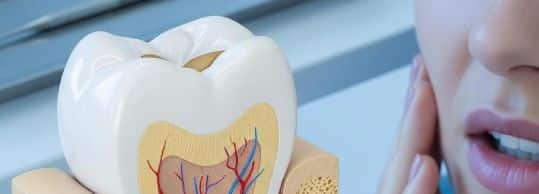
Tooth sensitivity is caused by exposed dentin, the soft layer beneath your enamel that contains tiny tubes connected to the tooth’s nerve. When enamel wears down or gums recede, those tubes are left open to hot, cold, sweet, and acidic triggers, causing a sharp, sudden pain. According to the University of Utah School of Dentistry, about 1 in 8 Americans suffer from tooth sensitivity. A meta-analysis published in the Journal of Dentistry found the clinical prevalence of dentin hypersensitivity to be around 11.5% of adults, though self-reported rates run much higher. Below, we cover every major cause, what it feels like, when to worry, and how to fix it.
Why Does My Tooth Feel Sensitive All of a Sudden?
Your tooth feels sensitive all of a sudden because something has exposed the dentin layer underneath the enamel. This can happen quickly, sometimes overnight. The most common sudden triggers include a cracked tooth, a new cavity, a recently chipped filling, gum recession from aggressive brushing, or acid erosion from food and drinks.
According to Healthline, conditions like gastroesophageal reflux disease (GERD) can cause stomach acid to reach the mouth and wear down enamel over time, leading to sudden sensitivity that seems to appear out of nowhere. Frequent vomiting from conditions like bulimia has the same effect. Even something as simple as switching to a whitening toothpaste or using at-home whitening strips can trigger sudden sensitivity. A study published in the Journal of the American Dental Association found that patients who used at-home tooth whitening products had a 1.4 times higher prevalence of dentin hypersensitivity.
If you are in Littleton, Colorado and a tooth suddenly starts hurting when you drink cold water or take a breath of cold mountain air, do not ignore it. Sudden sensitivity is your tooth telling you something has changed, and the sooner we look at it, the easier it is to fix. A simple exam can tell us whether you need a filling or restoration, a fluoride treatment, or something else entirely.
The Most Common Causes of Tooth Sensitivity
Tooth sensitivity almost always comes back to one thing: exposed dentin. But there are many different ways that exposure happens. Here are the causes we see most often in our Littleton practice.
Worn enamel. Enamel is the hardest substance in the human body, but it is not indestructible. Brushing too hard, using a hard-bristled toothbrush, grinding your teeth at night, or eating highly acidic foods like citrus, soda, and wine can all wear it down. Once enamel is gone, it does not grow back. According to the American Dental Association, enamel erosion is one of the most common causes of sensitivity in adults.
Receding gums. When gum tissue pulls away from the tooth, it exposes the root surface, which has no enamel protection at all. The root is covered only by a thin layer called cementum, which wears away quickly. According to the JADA study, patients with gingival recession were 5.5 times more likely to have dentin hypersensitivity than those without it. We see this frequently in patients over 40 in the Littleton and South Denver area.
Cavities and tooth decay. A cavity is a hole in the tooth where bacteria have eaten through the enamel. Once the dentin is exposed, sensitivity follows. According to the CDC, about 21% of adults aged 20 to 64 have at least one untreated cavity right now. Many of those cavities are causing sensitivity that people are living with unnecessarily. A simple composite filling can eliminate the sensitivity and stop the decay from spreading.
Cracked or chipped teeth. Even a tiny crack in a tooth can let bacteria and temperature changes reach the nerve. Cracks are not always visible to the naked eye, but they can cause intense sensitivity, especially when biting down. If the crack is deep enough, it may require a crown to protect the tooth from further damage.
Teeth grinding (bruxism). Grinding wears down enamel over time, often without you realizing it because most grinding happens during sleep. According to the American Dental Association, bruxism affects an estimated 10% to 15% of adults. We offer occlusal guards for TMD and bruxism at our Littleton office to protect enamel from nighttime grinding.
Recent dental work. Sensitivity after a filling, crown, or whitening procedure is common and usually temporary. According to Healthline, this type of sensitivity is typically confined to the treated tooth and should subside within a few days to a couple of weeks.
What Does Tooth Sensitivity Feel Like?
Tooth sensitivity feels like a sharp, sudden sting or jolt of pain in one or more teeth. It is usually triggered by something specific, like a sip of hot coffee, a bite of ice cream, a breath of cold air, or contact with something sweet or sour. The pain is fast. It hits hard and then fades within seconds.
A European epidemiological study published in the Journal of Dentistry found that cold food and drink were the most common triggers for sensitivity, followed by cold air, sweet foods, and hot beverages. According to that same research, sensitivity peaked in adults between the ages of 38 and 47 and affected women (56%) slightly more than men (50%).
Some people feel sensitivity in just one tooth. Others feel it across several teeth or an entire section of the mouth. The location and pattern can help us figure out the cause. Sensitivity in a single tooth often points to a cavity, crack, or failing restoration. Widespread sensitivity across many teeth usually points to enamel erosion, gum recession, or grinding.
What Is the Difference Between Tooth Pain and Tooth Sensitivity?
The difference between tooth pain and tooth sensitivity is how the pain behaves. Sensitivity is a short, sharp reaction to a specific trigger, like hot, cold, or sweet food, that goes away quickly once the trigger is removed. Tooth pain is a deeper, longer-lasting ache that can throb on its own without any trigger at all.
Sensitivity usually means the dentin is exposed but the nerve is still intact. Tooth pain, especially the kind that lingers or wakes you up at night, often means the decay or damage has reached the pulp, the inner nerve center of the tooth. According to Cleveland Clinic, when decay reaches the pulp, it can cause inflammation (pulpitis) that leads to severe, constant pain and may require root canal therapy.
If your discomfort is a quick zing that goes away, sensitivity is the likely cause. If the pain hangs around for minutes or hours, or if it throbs on its own, that is a sign of something more serious. Either way, a dental exam will tell you exactly what is going on.
What Illnesses Cause Sensitive Teeth?
Several illnesses cause sensitive teeth by damaging enamel, reducing saliva, or weakening the body’s ability to fight oral infections. The connection between systemic health and oral health is well documented.
Diabetes. According to Delta Dental, about 37.3 million Americans have diabetes, and the condition is directly linked to increased risk of gum disease, dry mouth, and tooth sensitivity. Uncontrolled blood sugar makes it harder for the body to fight bacteria in the mouth, accelerating gum recession and decay.
GERD (acid reflux). Stomach acid that reaches the mouth erodes enamel over time. According to the American Academy of Family Physicians, patients with GERD often develop dental erosion on the inner surfaces of the upper teeth, leading to sensitivity to cold and sweet stimuli.
Sjogren’s syndrome. This autoimmune disease attacks the salivary glands, causing severe dry mouth. Without adequate saliva to rinse teeth and neutralize acids, patients with Sjogren’s face a dramatically higher risk for cavities, gum disease, and chronic sensitivity.
Celiac disease. According to Delta Dental, celiac disease affects enamel formation and can cause tooth discoloration, pitting, and increased sensitivity. Patients with celiac disease also tend to suffer from dry mouth and slower healing after dental procedures.
Eating disorders. Conditions involving frequent vomiting, such as bulimia, expose teeth to stomach acid repeatedly. The AAFP reports that this causes irreversible enamel erosion, particularly on the inner surfaces of the front teeth, leading to significant sensitivity.
If you have any of these conditions, it is especially important to keep up with regular dental cleanings and exams. We work with patients in Littleton who manage chronic health conditions and help them protect their teeth from the oral side effects.
When to Worry About Sensitive Teeth
You should worry about sensitive teeth when the sensitivity is getting worse over time, when it does not go away after two weeks, when it is accompanied by visible damage or swelling, or when over-the-counter desensitizing toothpaste is not helping.
Occasional mild sensitivity to cold drinks is common and not always a sign of a serious problem. But sensitivity that persists, spreads to more teeth, or comes with pain when biting down is a sign that something needs professional attention. According to Johns Hopkins Medicine, you should see a dentist if sensitivity is accompanied by swollen gums, a cracked tooth, visible decay, or pain that lingers after the trigger is gone.
We encourage patients in Littleton not to wait until sensitivity becomes real pain. What starts as a quick zing from cold water can progress into a cavity that needs a filling, a crack that needs a crown, or nerve damage that needs a root canal. A short exam catches these issues early. For patients who feel anxious about dental visits, we offer no-fear dentistry with sedation options to keep you comfortable.
Can Dental Sensitivity Go Away?
Yes, dental sensitivity can go away, depending on the cause. Sensitivity from temporary triggers like whitening treatments, recent dental work, or a mild acid exposure often resolves on its own within a few days to a few weeks.
According to a review published in Clinical Oral Investigations, remission rates for sensitivity caused by dental procedures like bleaching or periodontal surgery are high, and most patients see improvement relatively quickly. However, sensitivity caused by chronic conditions like ongoing enamel erosion, untreated gum recession, or persistent grinding is unlikely to go away on its own. It will continue or get worse until the underlying cause is addressed.
Using a desensitizing toothpaste with potassium nitrate and fluoride can help block pain signals from reaching the nerve. But if the sensitivity sticks around for more than two weeks despite home care, a professional exam is the next step. We can apply prescription-strength fluoride, dental sealants, or bonding to protect the exposed areas and give you lasting relief.
How Do I Fix Tooth Sensitivity?
You fix tooth sensitivity by first identifying and treating the cause. The fix depends entirely on what is making the dentin exposed in the first place.
If the cause is enamel erosion from brushing too hard, the fix is switching to a soft-bristled toothbrush, using lighter pressure, and applying a desensitizing toothpaste. If the cause is a cavity, a dental filling seals the exposed dentin and eliminates the sensitivity. If the cause is gum recession, treatment may include fluoride varnish, dental bonding over the exposed root, or in more advanced cases, a gum graft. If the cause is teeth grinding, a custom occlusal guard worn at night protects the enamel from further wear.
According to the University of Utah School of Dentistry, the first step is always a dental visit to determine the root cause. Time, saliva, and fluoride toothpaste can resolve mild, temporary sensitivity. But persistent sensitivity needs professional diagnosis and treatment. Here at our Littleton practice, we take a thorough approach: we examine the teeth, review your habits, check for grinding, and build a plan that addresses the actual problem, not just the symptom.
Common Causes of Sensitivity and How They Are Treated
Cause | Why It Causes Sensitivity | Treatment |
Worn Enamel | Exposes dentin tubules to triggers | Desensitizing toothpaste, fluoride treatment, softer brushing |
Gum Recession | Exposes unprotected root surface | Fluoride varnish, dental bonding, gum graft (severe cases) |
Cavities | Bacteria break through enamel into dentin | Dental filling or crown |
Cracked Tooth | Crack allows stimuli to reach the nerve | Crown or bonding; root canal if nerve is affected |
Teeth Grinding | Wears enamel down over time | Custom occlusal guard, stress management |
Recent Dental Work | Temporary inflammation of the dentin | Usually resolves on its own in days to weeks |
Acid Reflux (GERD) | Stomach acid erodes enamel | Medical management of GERD + fluoride treatment |
Sources: American Dental Association (ADA); Journal of the American Dental Association (JADA); Johns Hopkins Medicine; Mayo Clinic
How Do You Test for Tooth Sensitivity?
You test for tooth sensitivity by visiting a dentist who will use a combination of methods to pinpoint the cause. The process typically includes a visual exam, dental X-rays, touch tests with instruments, and a cold air or cold water test applied directly to specific teeth.
According to research published by Sunstar GUM, 99% of dentists use a combination of diagnostic methods when evaluating sensitivity, including palpation, vitality tests, transillumination, and occlusal checks. The goal is to rule out other causes of pain, such as cavities, cracks, or pulp infection, before diagnosing dentin hypersensitivity.
At our Littleton office, we use digital X-rays and thorough clinical exams at every new patient visit to detect sensitivity issues early. If you are experiencing sensitivity but are not sure what is causing it, an exam gives us the full picture so we can treat the right problem.
Frequently Asked Questions
Is Tooth Sensitivity a Sign of a Cavity?
Yes, tooth sensitivity can be a sign of a cavity, especially if it is concentrated in one tooth and triggered by sweet or cold foods. According to the CDC, about 21% of adults have at least one untreated cavity. If sensitivity persists, schedule an exam to rule out decay.
Can Cold Weather in Littleton Cause Tooth Sensitivity?
Yes, cold weather can trigger tooth sensitivity, especially at higher elevations like Littleton, Colorado. Breathing in cold, dry air can cause a sharp sting in teeth with exposed dentin. If cold air consistently bothers your teeth, it is a sign that enamel has worn down or gums have receded, and a dental exam is a good idea.
Does Tooth Sensitivity Mean I Need a Root Canal?
Not usually. Most sensitivity is caused by exposed dentin and can be treated with fluoride, bonding, or a filling. A root canal is only needed when decay or damage has reached the pulp, the nerve inside the tooth. If your pain is constant, throbbing, or keeps you up at night, that is when root canal therapy may be needed.
Can Teeth Grinding Cause Sensitivity?
Yes, teeth grinding (bruxism) is a major cause of tooth sensitivity. Grinding wears down enamel over time, exposing dentin to hot, cold, and sweet triggers. According to the ADA, 10% to 15% of adults grind their teeth. We offer custom occlusal guards in Littleton to protect your enamel while you sleep.
How to Get Rid of the Feeling of Sensitive Teeth?
To get rid of the feeling of sensitive teeth, start with a desensitizing toothpaste containing potassium nitrate and fluoride. Use a soft-bristled toothbrush with gentle pressure. Avoid acidic foods and drinks. If the sensitivity does not improve within two weeks, visit your dentist for professional fluoride treatments or bonding. Treating the underlying cause is the only permanent solution.
Should I See an Emergency Dentist for Sensitive Teeth?
You should see an emergency dentist if sensitivity turns into severe, constant pain, or if you have swelling, fever, or pus around the tooth. These are signs of infection. For routine sensitivity, a regular appointment is appropriate. We offer same-day emergency appointments in Littleton at 303-798-4967.
The Bottom Line
Tooth sensitivity is your body’s way of telling you something has changed in your mouth. Whether it is worn enamel, receding gums, a hidden cavity, or a cracked tooth, the underlying cause matters more than the symptom. About 1 in 8 Americans deal with dentin hypersensitivity, and most cases are completely treatable once the cause is identified. The key is not to wait it out. What starts as a quick zing from ice water can progress into something much bigger if the root problem is left alone.
If you live in Littleton, Colorado or the South Denver area and sensitive teeth are affecting how you eat, drink, or enjoy your day, call Southbridge Dentistry at 303-798-4967 or book online. We have been helping families in this community since 1982, and our team takes the time to find the real cause of your sensitivity, not just put a bandage on it. Schedule your dental exam in Littleton today and get answers.